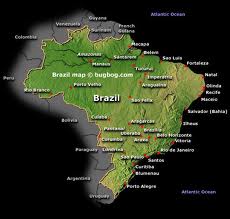
Six major groups make up the Brazilian population: the Portuguese, who colonized Brazil in the 16th century; Africans brought to Brazil as slaves; various other European, Middle Eastern, and Japanese and other Asian immigrant groups who settled in Brazil since the mid-19th century; and indigenous peoples of Tupi and Guarani language stock. Intermarriage between the Portuguese and indigenous people or slaves was common. Although the major European ethnic stock of Brazil was originally Portuguese, subsequent waves of immigration contributed to a diverse ethnic and cultural heritage.

Brazil is the only Portuguese-speaking nation in the Americas. About three-quarters of all Brazilians belong to the Roman Catholic Church; most others are members of traditional Protestant denominations, members of growing evangelical movements, or follow practices derived from African religions.here
| "china" |
| "india" |
| "brazil" |
| "united states" |
| "russia" |
| "mexico" |
| "united kingdom" |
| "germany" |
| "indonesia" |
| "vietnan" |